 Jobi
From Visa to Your First Day on Site
On your first day on an Australian construction site, the real problem isn't your English level — well, that matters too — it's the words that only get used on site. The English you learned at school barely overlaps with site lingo. This guide is the big picture for anyone heading onto a construction site on a working holiday or as a migrant, laid out in order: starting with your visa, then getting ready before your first day, through to the expressions you'll hear in your first week. Tap any word in each step to open the vocab page with its pronunciation, meaning and example sentences. Specific jobs will be covered in more depth in separate guides.
Visa
If you're on a working holiday visa, conditions like the "6-month limit with one employer" and the "days of work needed to extend your visa" are a constant worry. But there are a few tips that help a lot once you know them. The key point: by using the exemptions the Department of Home Affairs has set out, you can keep working for one company near the city and still rack up the days you need for your visa extension.
Visa extension tips
Put simply, work done in disaster-declared areas or regional areas counts towards the days needed for a visa extension. After the 2022 floods, lots of places near the city were declared disaster areas, so you can extend your visa while working close to the city in suburbs like Pallara, Eight Mile Plains and Park Ridge.
If checking postcodes one by one sounds like a pain, the Working Holiday Regional Check Map shows it instantly on a colour-coded map for each state.
Tips for the 6-month work limit (Visa Condition 8547)
If you don't work on the same site for more than 6 months, you don't even need to change companies. And in civil work, unless the development is bigger than about 50 lots, it's actually not that common to stay on the same site for more than 6 months.
That's how I've been working for about a year now at the company I started with a month after arriving, and I got my second-year visa approved using the payslips from there.
Before you start
Licences & tickets
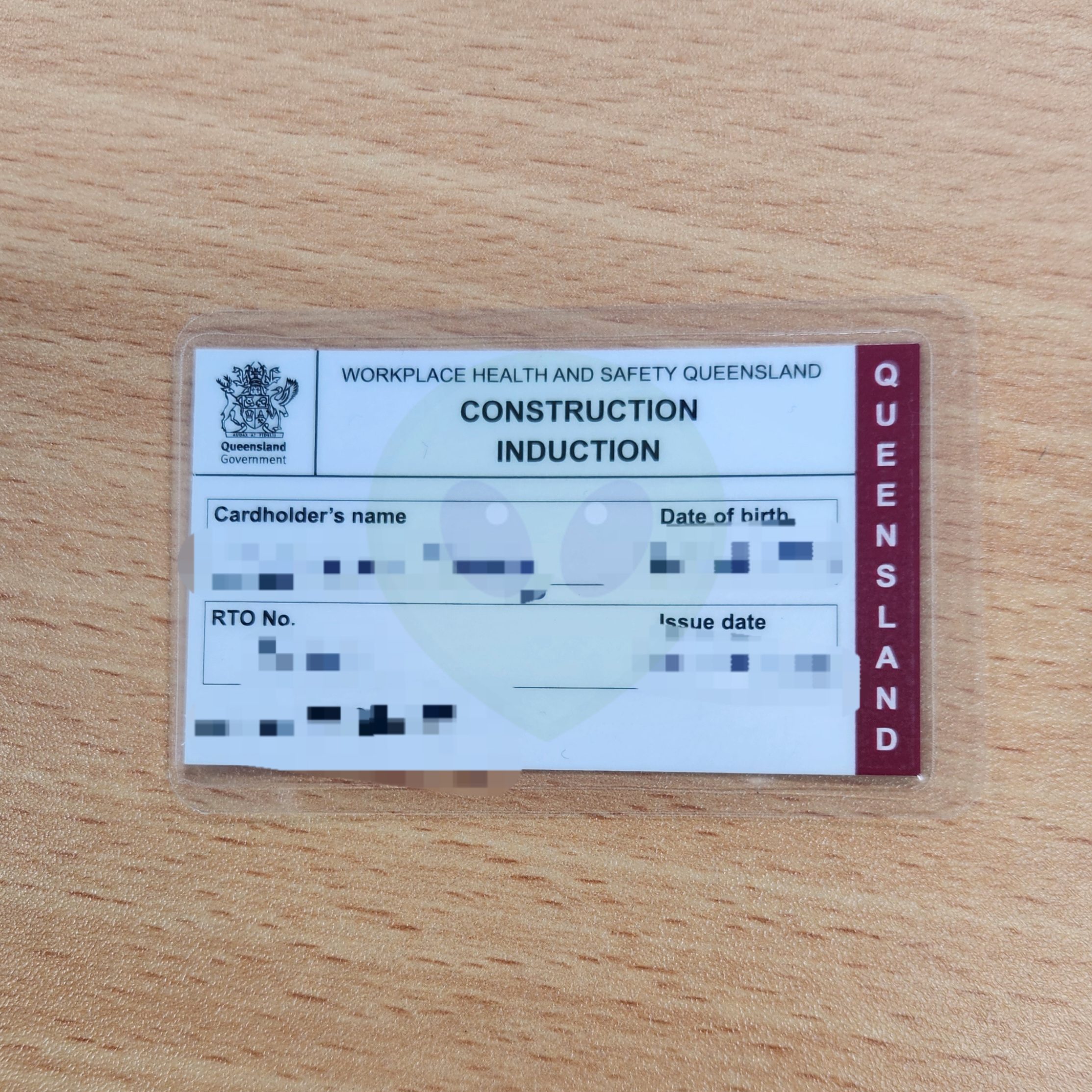
To work in construction, you need a White Card in almost every state. You can get it in a day, online or in person, and without it you can't even step on site, so sort it out before you start job hunting — or at least while you're looking. It costs a bit over $100.
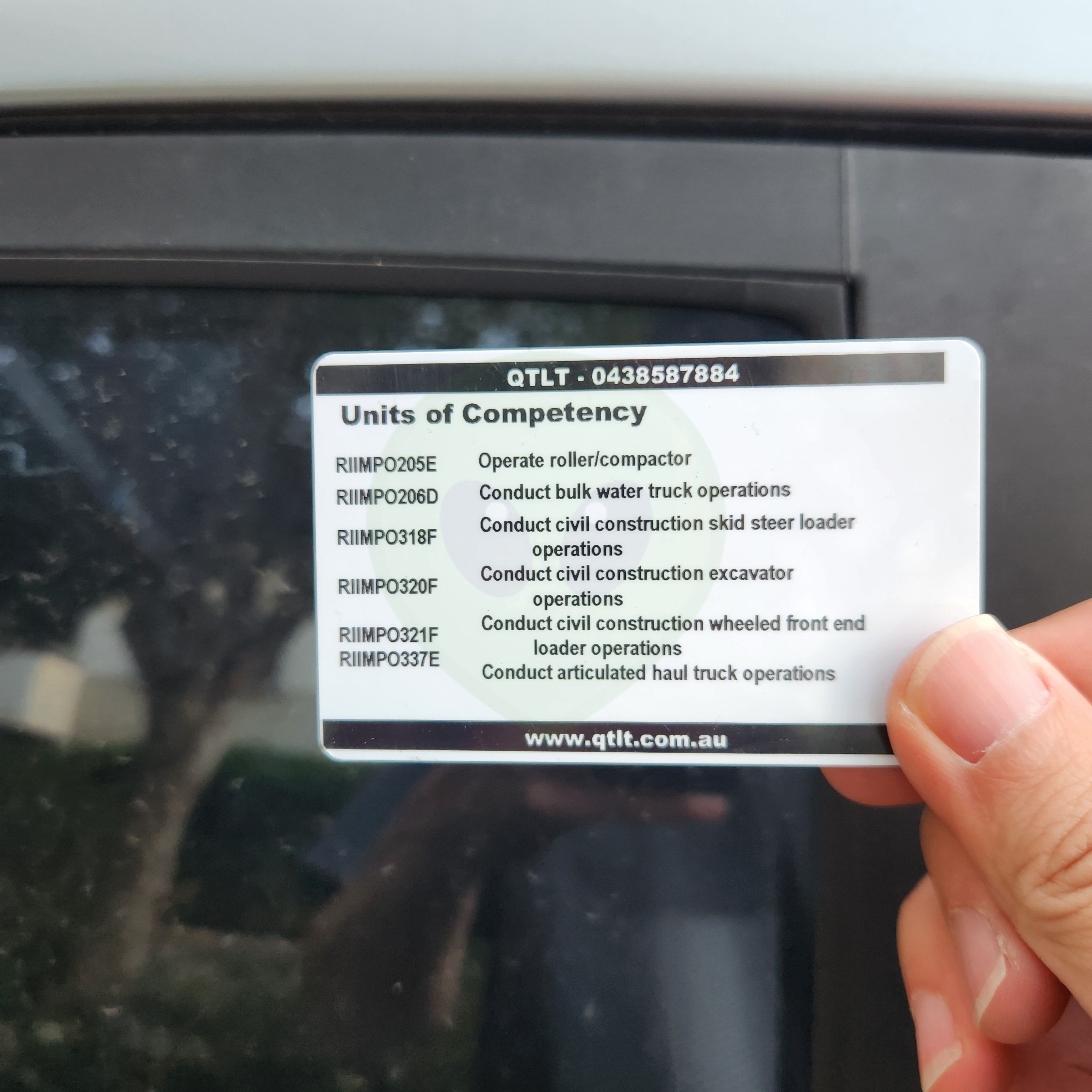
Extra tickets people often get, like Confined Space🔒 or Working at Height🔒, aren't needed unless you're doing that specific work. In my job — civil works before the houses go up — I never needed them. Tickets for the Roller, Skid Steer🔒 or Moxy🔒 are much more useful, because they give you a shot at operating machines. If you want to save as much money as possible, just get the White Card; otherwise, pick whichever tickets you think you'll need.
I'll cover licences and tickets in more detail separately → Getting your tickets.
PPE & gear
Construction sites are rough. You're working on bare dirt, surrounded by all kinds of tools and heavy steel. The Australian sun is hot even in the middle of winter, and when it rains you'll be trudging through mud. Here are a few tips to protect yourself in these conditions and come across as someone who "knows what they're doing".
- Hi-Vis
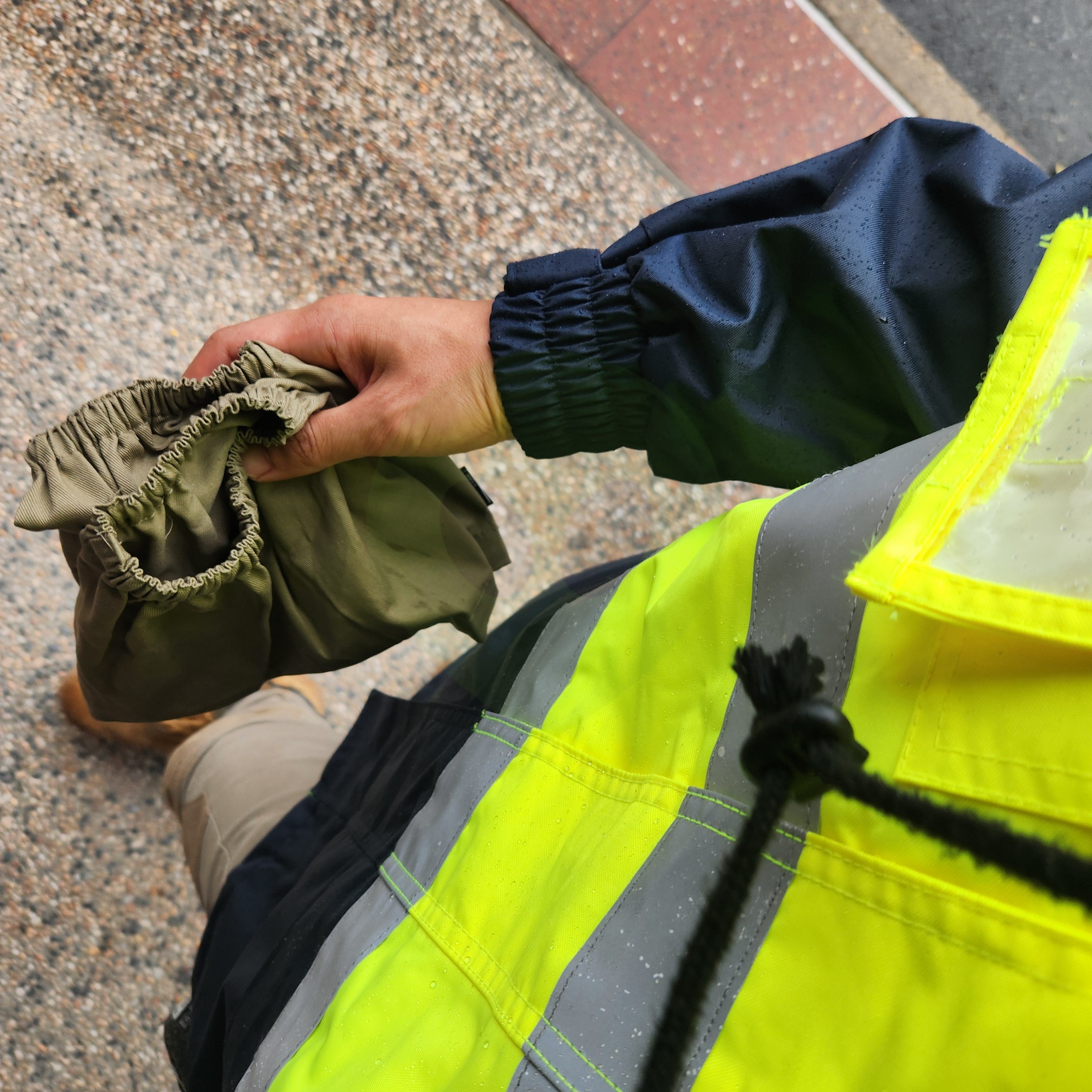
- Sometimes the company gives it to you, sometimes you have to buy your own. Tops are orange or yellow, pants are navy or beige. You can get a set at K-mart for about $35. If you'll be working indoors a lot, like a carpenter, lightweight Hi-Vis is worth paying a bit more for. In civil, though, you need protection from the sun and from materials and machinery, so I strongly recommend thick, tough long-sleeve Hi-Vis. Skip the T-shirt underneath — even in winter it gets really hot during the day.
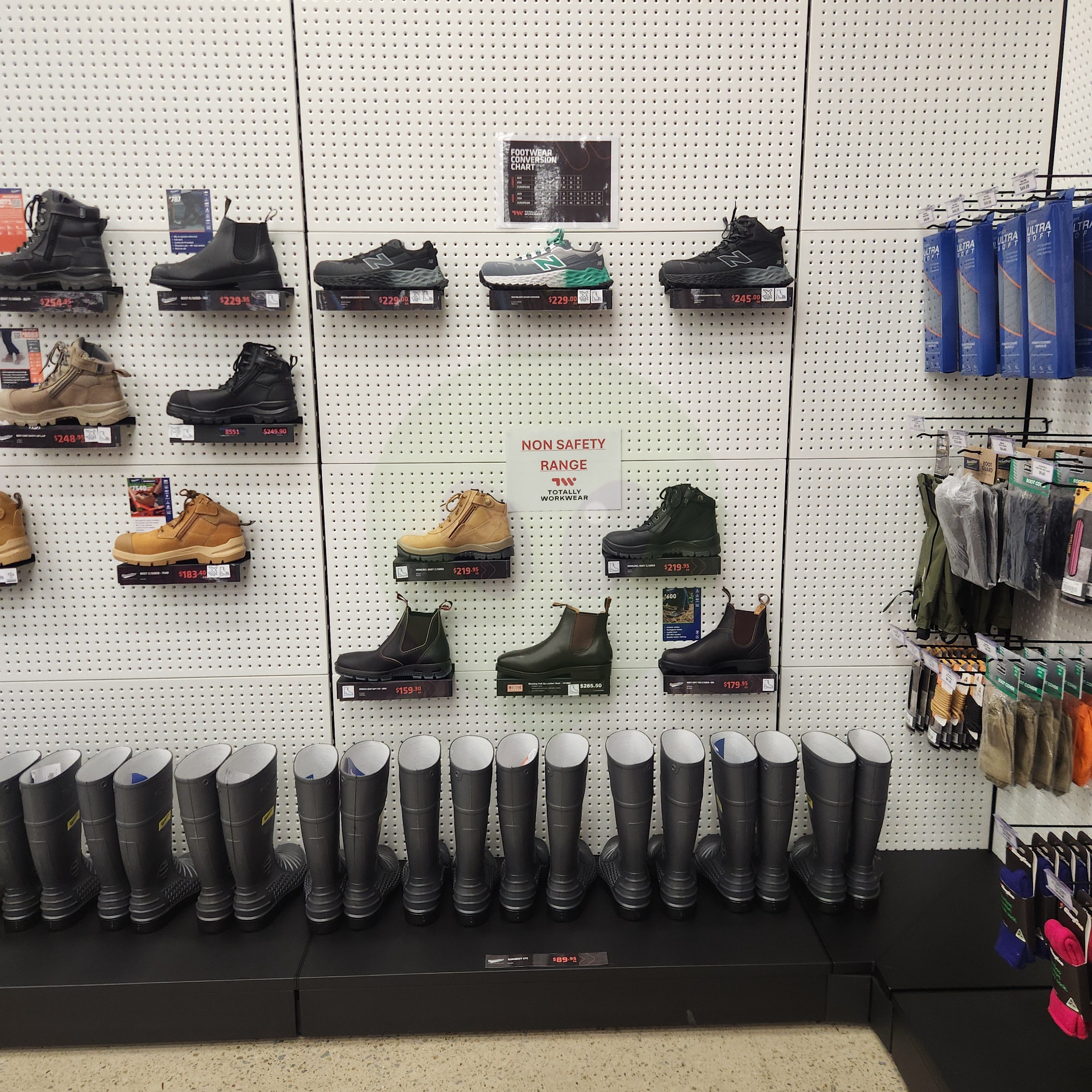
- Steel Toe Boots
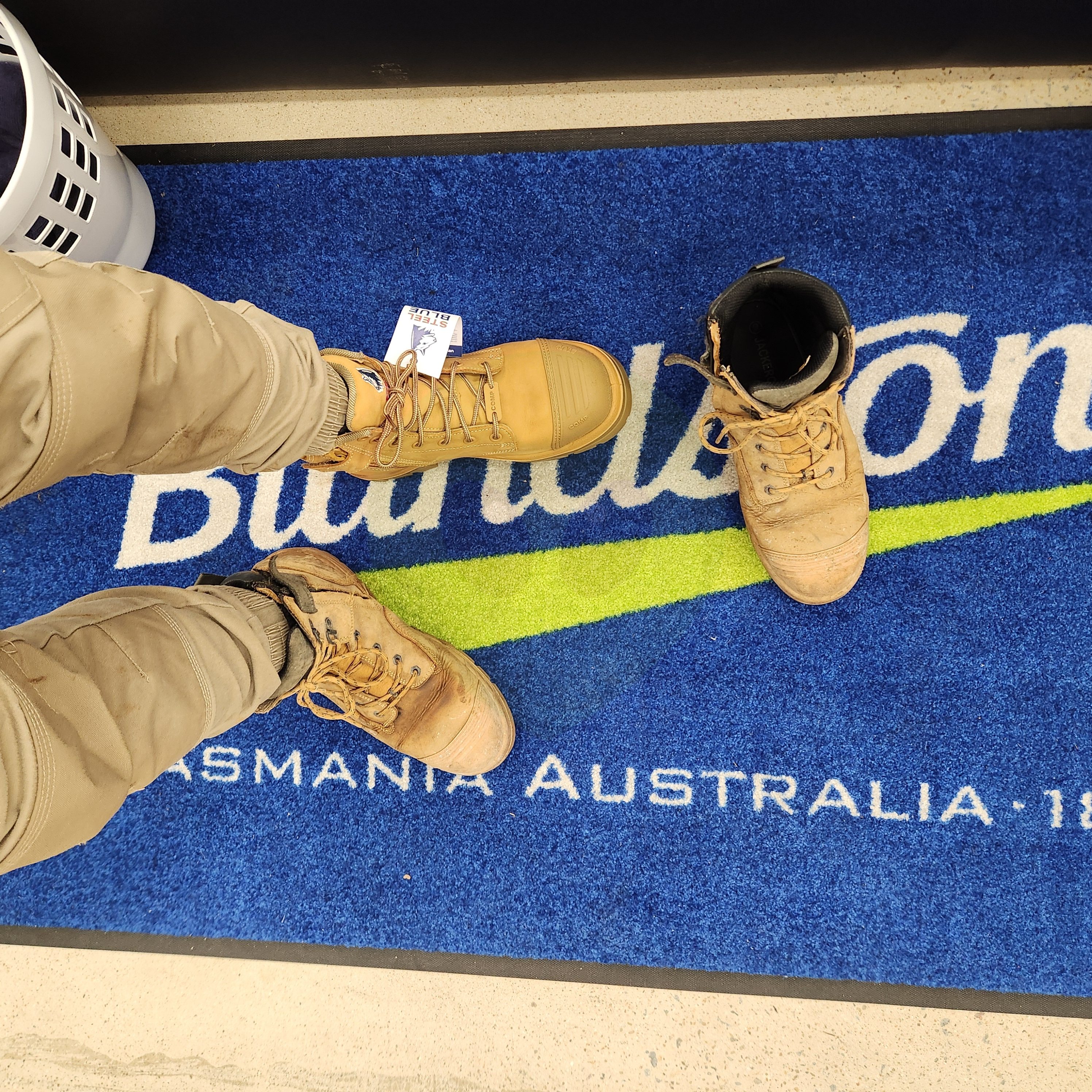
- You can get them at K-mart for around $70–$90. Even in the same size and model, the fit can vary depending on how they were finished, so always try them on — and especially check that the heel of the insole isn't folded over. I strongly recommend a model with a zip — it makes putting them on and taking them off several times faster. Mine are the Jackeroo Digger. Premium brands like Steel Blue cost about twice as much and are slightly more comfortable, but personally I didn't feel I needed them. Even if it takes an hour, try on pair after pair yourself before buying.
- Buying separate insoles is a good idea too. You can find soft insoles in lots of places for around $20. They usually come in the largest size, so just trim them with scissors.
- It's also worth grabbing a waterproofing spray (Water Proof Spray) from Woolies or similar. When heavy rain leaves puddles everywhere or you're walking through mud, it helps keep your boots from getting soaked and filthy.
- My top pick is Boot Guard🔒. It stops little stones getting into your boots while you're shovelling, saving you time and pain.
- Water bottle
- Always bring a water bottle. The plastic water jugs sold at K-mart often break within a few months. A stainless steel jug keeps drinks cold better and is far more durable, so it'll last a long time.
- Gumboots🔒
- If there's still a lot of Bulk Earthworks🔒 left on site, the ground isn't solid yet, so water pools and puddles form when it rains. For 2–3 days after rain, wearing Gumboots🔒 keeps your boots, socks and feet dry — and it's good for your sanity too.
- Gumboots🔒 get dirty fast, so keep a separate pair of shoes for the car, and grab a tub to keep your Gumboots🔒 in, in the boot or wherever.
- Utility Knife
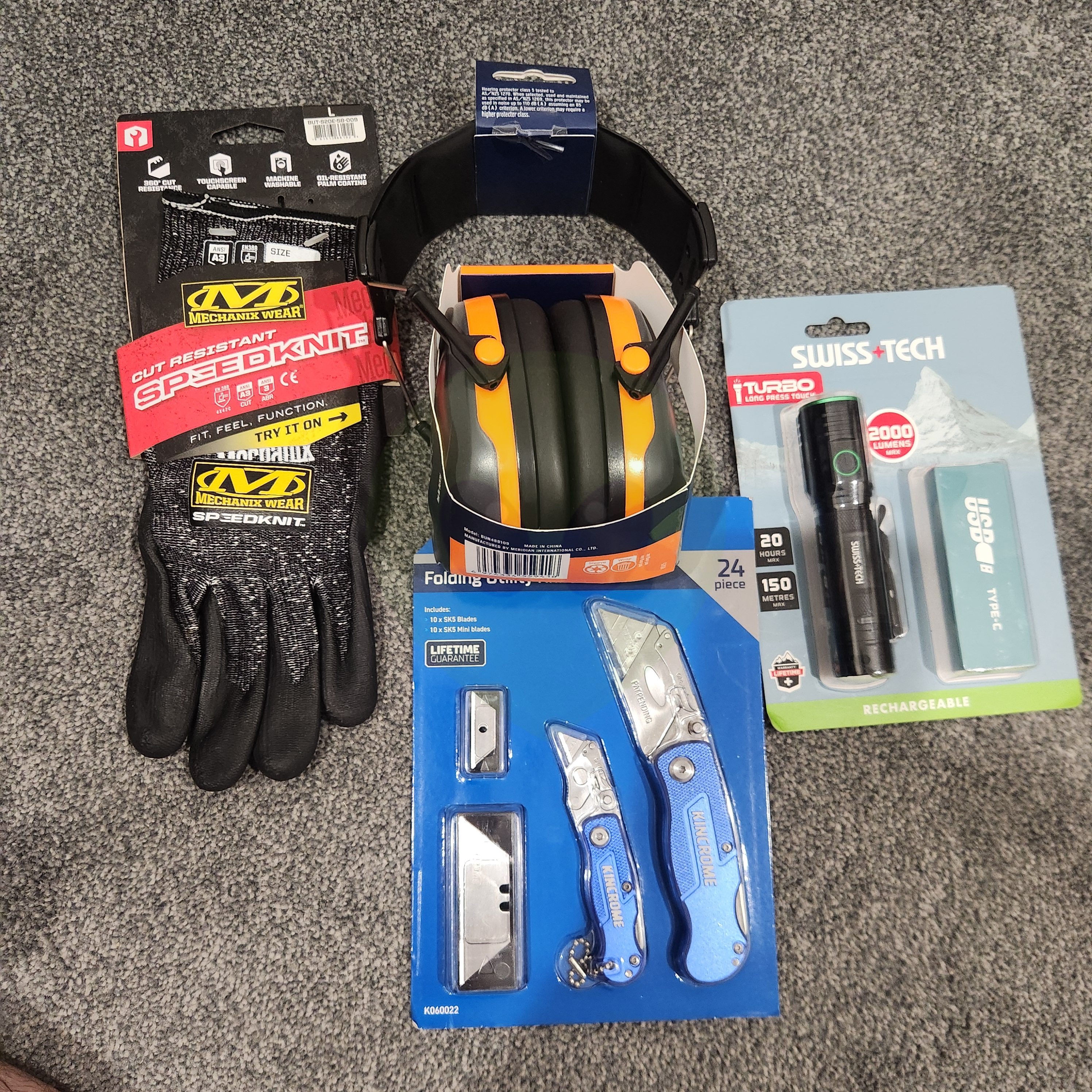
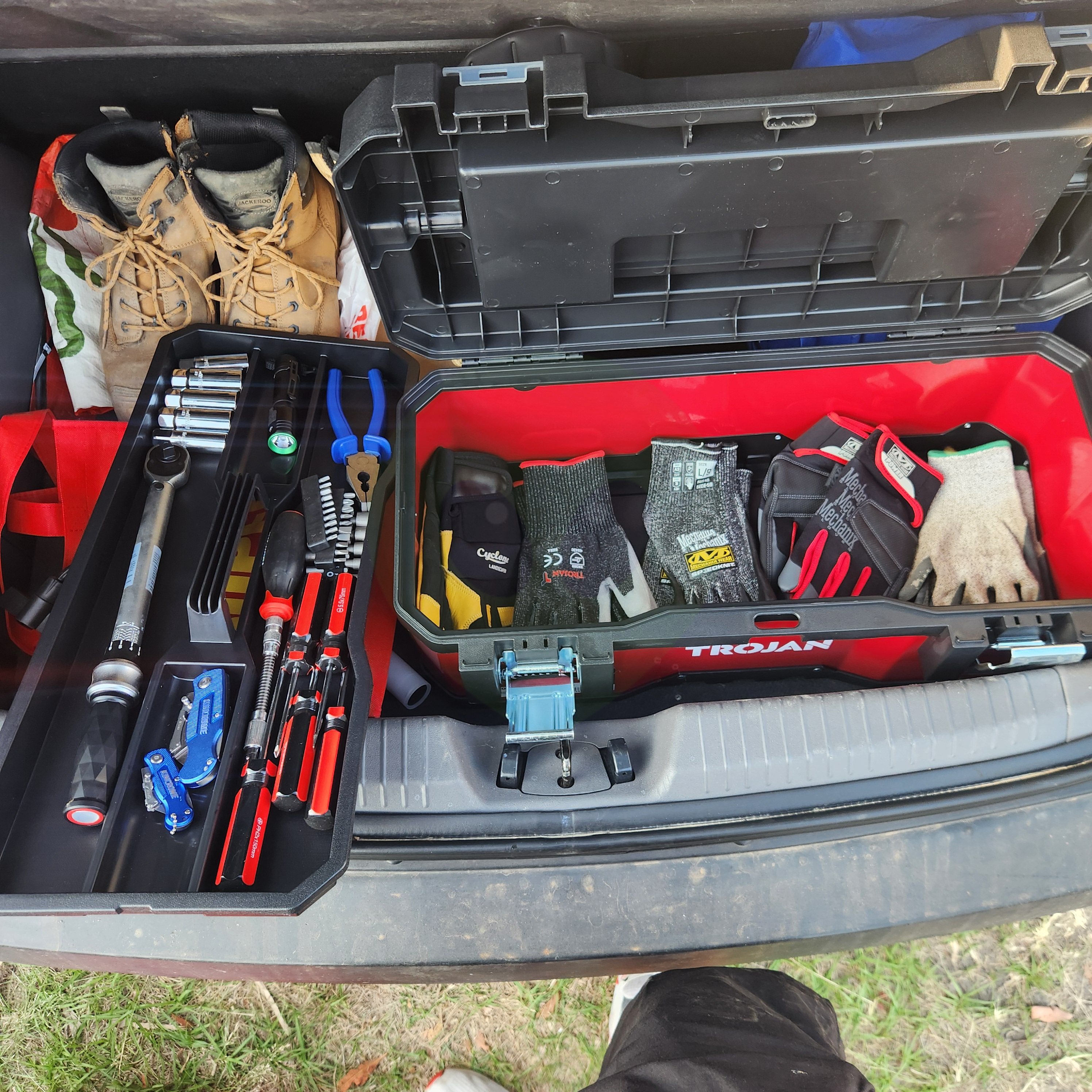
- A knife always comes in handy, but surprisingly few labourers carry one. It's light and incredibly useful, so get one and keep it in your top pocket when you head to work. You can cut the ties on Agi Pipe, cut back grass, trim Turf or cut Flagging🔒. I carry a Kincrome folding knife in my left chest pocket.
- Permanent Marker🔒
- Same goes for a pen. Besides writing your name on your gear, you'll use it all the time — writing levels on a peg, marking manhole locations on the Kerb, and so on. Permanent markers are the usual choice, and buying a 10-pack is cheaper than buying one or two at a time, plus you've got spares when you lose them. I use Sharpie. The left chest pocket on your Hi-Vis usually has a pen slot.
- Tape Measure🔒
- On site we use 8M tape measures. But they're too big and heavy to carry around, and you rarely need the full 8M. So I recommend buying a light 3M one to keep in your pants pocket. At Daiso in Australia you can find tape measures that, unlike regular ones, lock automatically and only wind up when you press the button — those are the ones I recommend.
- Wide Brim Hat🔒
- Aussies usually wear a cap, but a wide-brimmed hat blocks the sun much better. Just grab one of the hats you'll see right at the entrance of Bunnings.
- Sunscreen
- A must. I never wore sunscreen back in Korea, but here I grab my sunstick every morning. I recommend Nature Republic's powdery sunstick — it's easy to apply and not sticky.
- Gloves
- I'd call them essential. Aussies often don't bother with gloves, but on the job you'll be handling a lot of snapped wire and sharp materials. They also cushion your hands if they get caught, so gloves are a must. I've tried lots of gloves, and the best were the Mechanix Speedknit, which you can get at Bunnings. There's a version that only cushions impact and one with added cut protection; the cut-resistant one is thicker, so you lose a bit of feel in your hands. Pick whichever suits you. They're comfy and work with touchscreens, which is probably why you'll often see Coles, Woolworths and Bunnings staff wearing them too. If you buy different gloves, make sure they work on your phone screen.
- Two-Way
- The gear that creates opportunities. With one of these, you'll pick up on what people need before your co-workers do, which makes you really useful — and it can even lead to chances to drive simple machines like a site dumper🔒. Definitely worth having. Listening to the chatter on site is great English practice, and it makes calling someone easy too. 1 watt is plenty for site use; something more powerful like 5 watts is just heavier and pricier. Clip it to a chest button with a retractable cord and pop it in your right chest pocket for easy carrying. I've stitched a strap onto my shoulder to hold the radio so I can hear it better. I use the GME 1 watt Handheld UHF Radio - TX667, which charges via Micro USB.
- Hard Hat
- Civil sites don't use a Hard Hat. Still, you might need one when an agency sends you out to other jobs.
- Socks
- You'll be on your feet in safety boots for hours, so slightly thicker socks are best. Stock up on a decent pair or several — they don't need to be expensive.
- Hi-Vis Outer🔒
- Winter mornings in Australia are chilly. Something to throw on for the trip to work and keep on until you've warmed up is handy. You can pick one up at K-mart or similar.
- Hi-Vis Rain Jacket🔒
- K-mart doesn't sell these, so you'll need to go to a shop like Totally Workwear. When it really pours, everyone gets pulled off site for safety, so you won't wear it much. Stay in wet clothes and you'll get soggy🔒 and catch a cold easily.
- Ear Muffs
- Handy when using a Quick Cut or a Plate Compactor🔒. You could buy 3M earplugs in bulk, but for ease of putting them on, earmuffs win hands down. Grab something like these from Bunnings or similar. For carrying around, though, 3M plugs are better. Keep a pair in your chest pocket and you'll have them ready whenever you suddenly need ear protection.
- Goggles🔒
- More jobs than you'd think send dust or debris flying into your eyes — breaking up concrete, drilling holes in the Kerb, and so on. Worth having.
- Hydralyte
- Electrolyte tablets you dissolve in water on hot days. You'll definitely have more energy than with plain water. Not essential, but good to keep on hand.
- Esky🔒
- An Esky🔒 and an ice pack will keep your lunch from going off. Throw in some cutlery and Hydralyte too — they come in handy.
- Sunglasses
- You'll be driving to work around sunrise and heading home around sunset, so the glare can be brutal. If you're reading this before you leave home and you wear glasses, bring a pair of prescription sunglasses for driving — you'll be glad you did.
Finding work
Jobs are found through agencies more often than through Seek. Register your resume with the agencies below and wait for them to get in touch. It can happen straight away, and usually within a month at the latest. Some agencies measure your height, weight and grip strength, give you a simple reading and writing test, or run fitness checks like carrying water containers, holding weights or push-ups. As long as you pass the minimum, it doesn't seem to matter much — so don't push too hard and hurt yourself.
- Celotti
- 701 Recruitment
- Aston Advantage
- Fetch Recruitment
- Workpac
- AWX
- Programmed Skilled Workforce
- Omni recruit
- JV recruitment
Agencies mostly contact you by text and email.
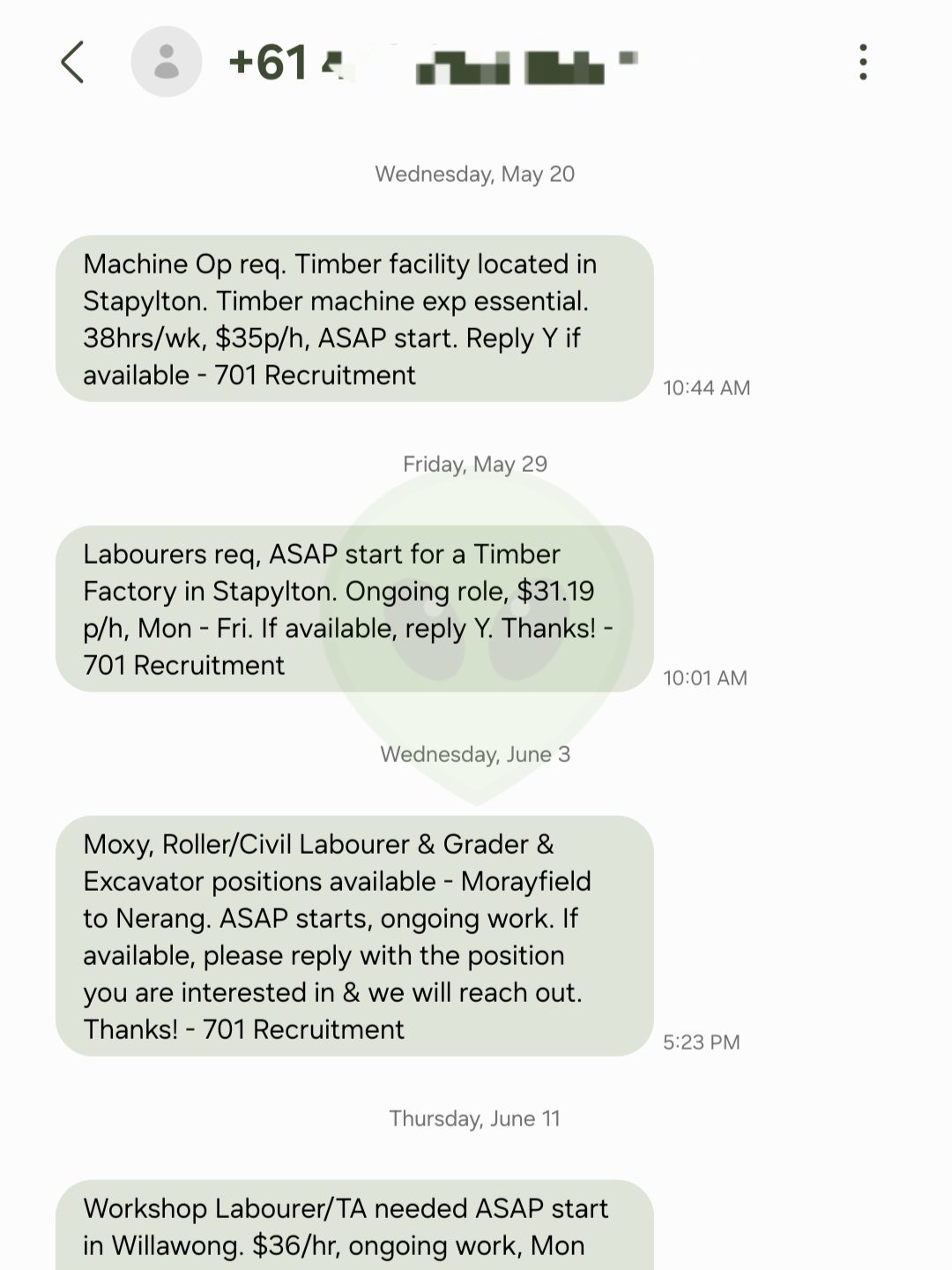
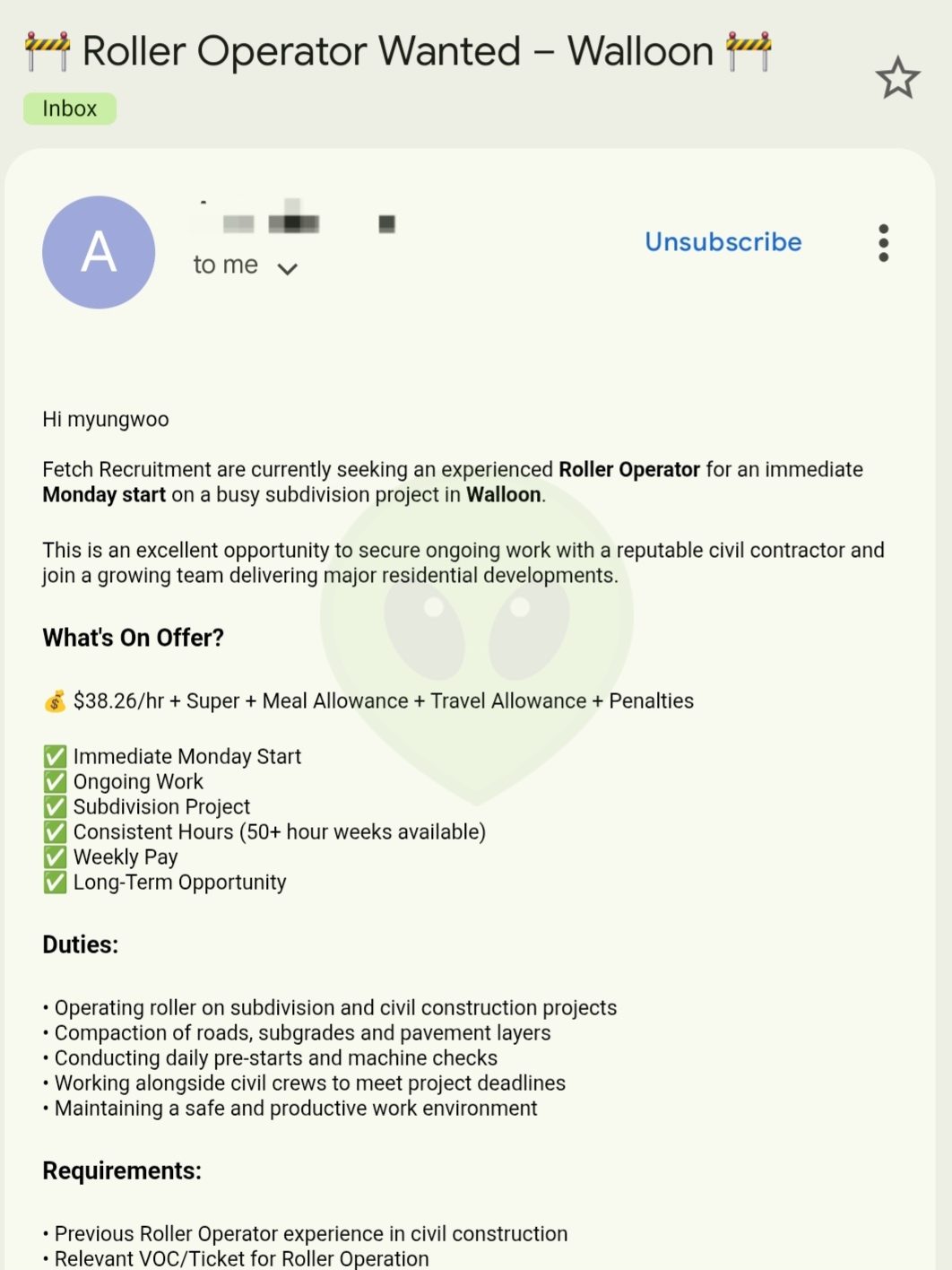
What worked for me was staying in touch with agencies and emailing companies directly. I don't recommend Seek: I spent over $4,000 on tickets and applied for 150 jobs on Seek, but never heard back once. So I decided to "reach out to anyone and everyone", opened Google Maps, searched 'civil', went to each company's website and sent them an email asking for work.
Meanwhile I kept talking to agencies, and I'd nearly taken a job through one when — after a 5-minute interview on site with one of the companies I'd emailed — I got the call saying I was in, and started as a casual labourer. I now work full-time for that company. I've written up the different employment types separately → Types of employment.
In short: email and agencies over Seek. Some people even ring companies directly. Either way, if you don't have contacts, you need to show you're proactive and keen to land a job.
Starting work
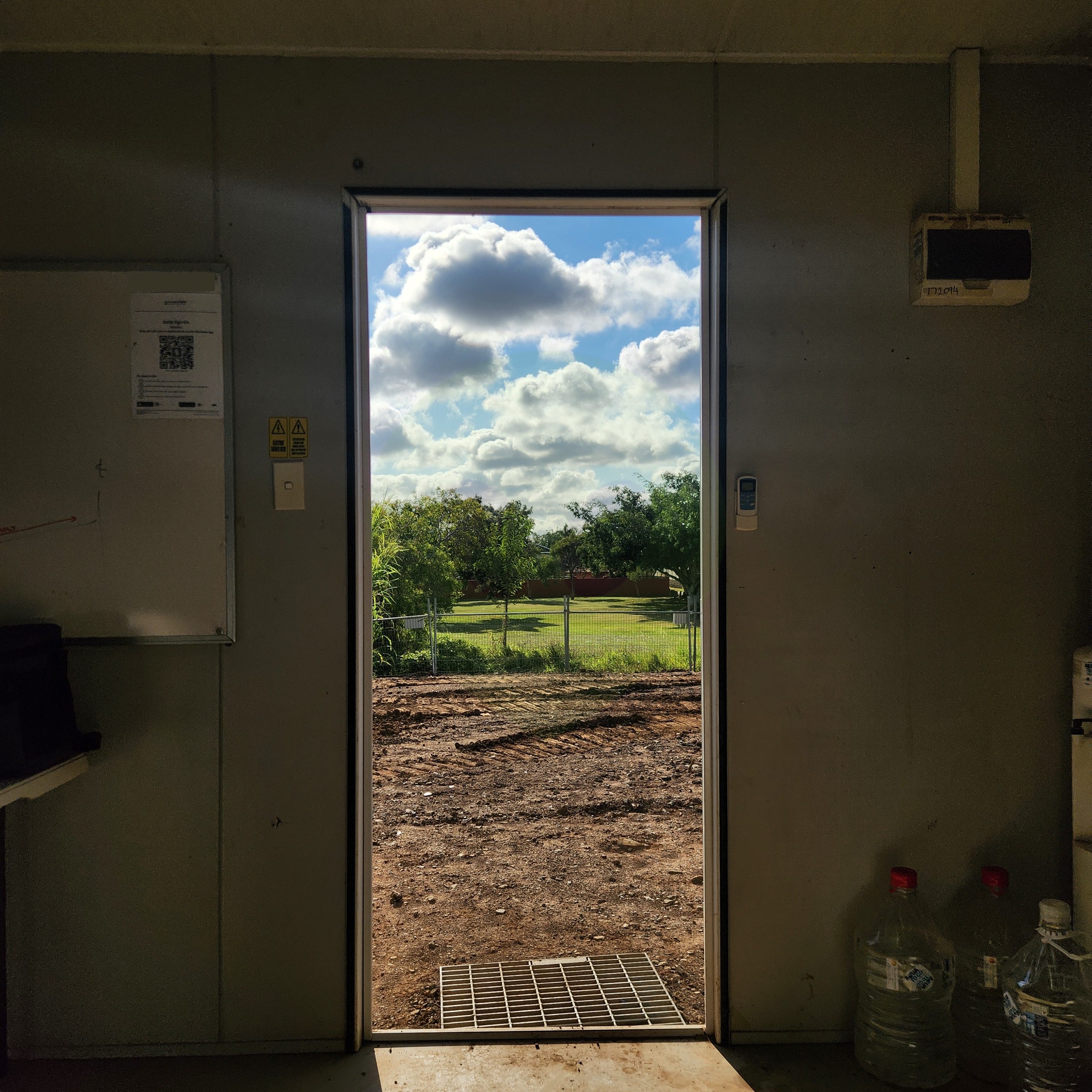
When you get to site, head straight to the shed/site office and find the Foreman. They'll put you through the Site Induction and get your profile into the system. I usually use an app called Sitemate (Google/Apple) to scan the QR code on the wall of the site Shed. Then, around 6:30 or whenever that site starts, there's the Pre-start Meeting. This is where the Foreman tells you what you're doing that day. If you missed it, ask again. A Foreman who hates questions shouldn't be a Foreman. What Foremans really hate is when someone stuffs up a job because they didn't ask.
Mid-morning, usually around 10 or 10:30, the machines start shutting down one by one or heading back to the Shed. When you hear a smoko call on the Two-Way, it's break time.
Main tasks
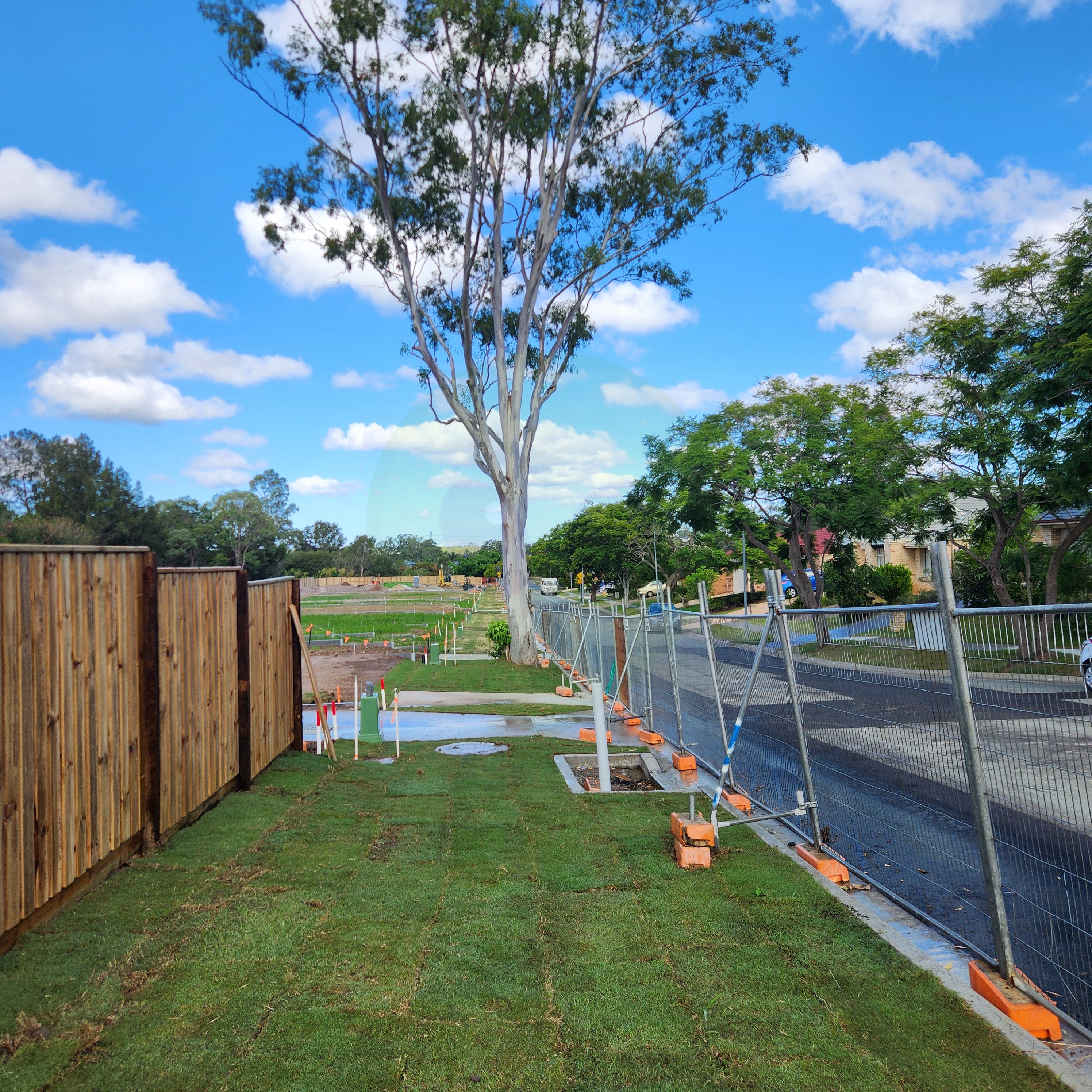
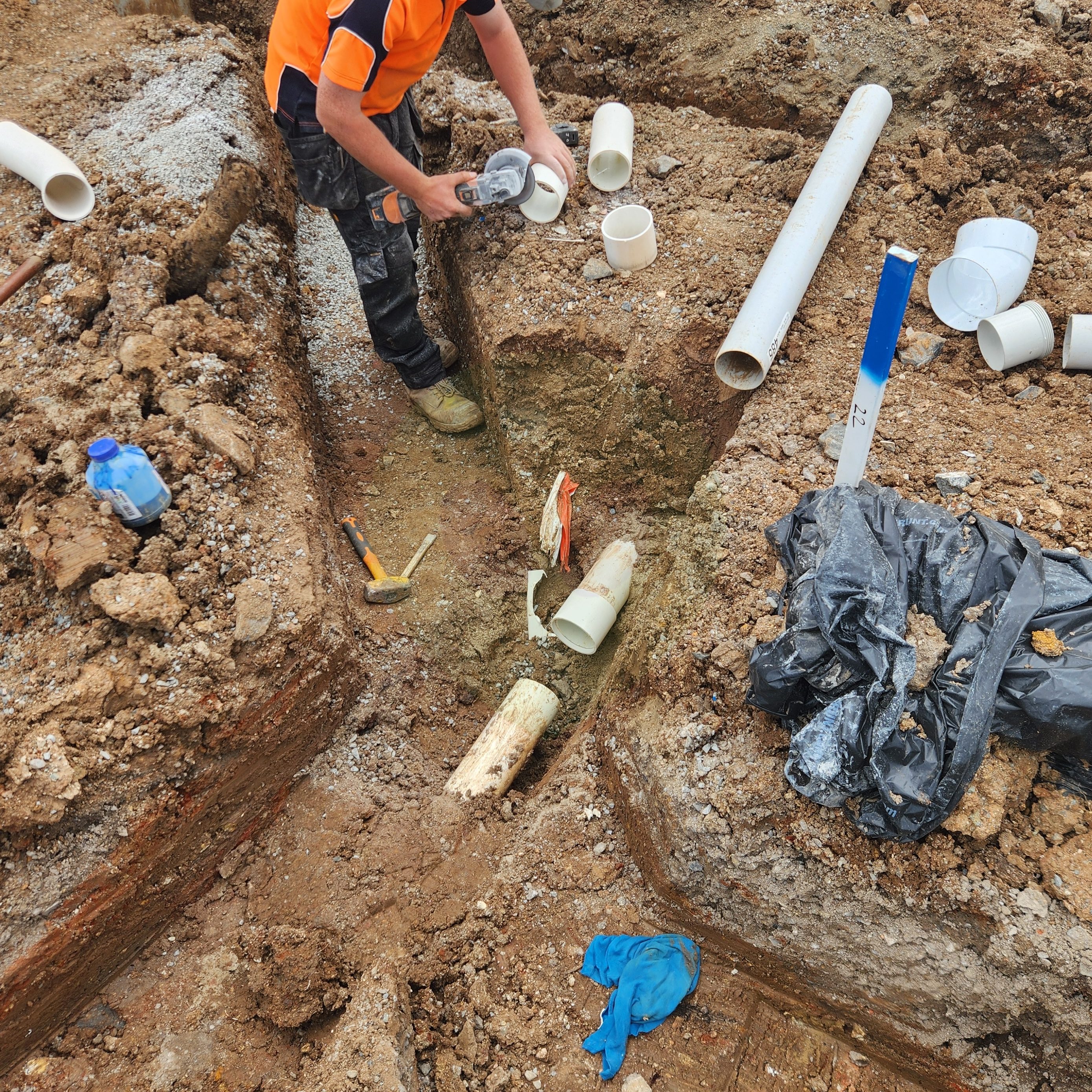
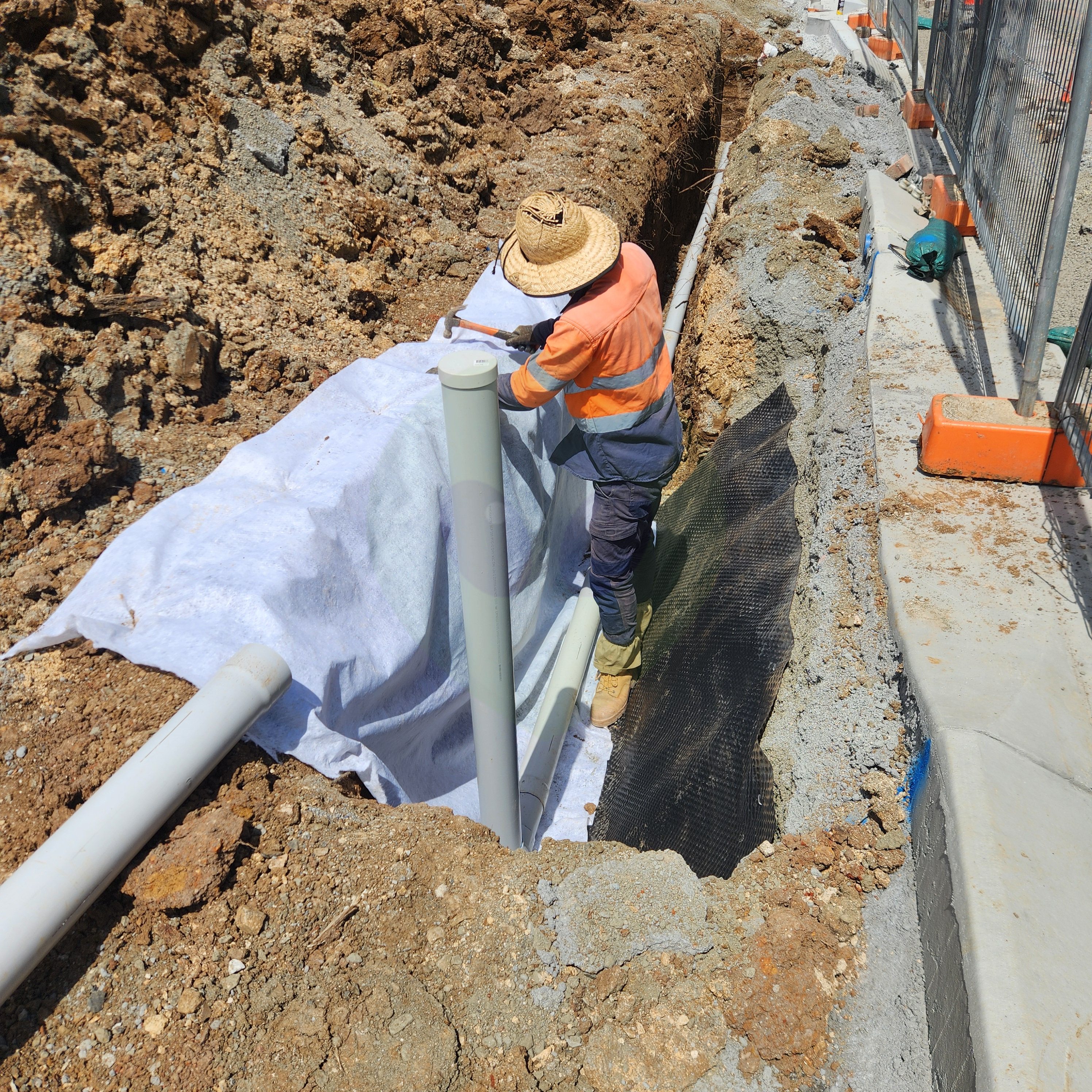
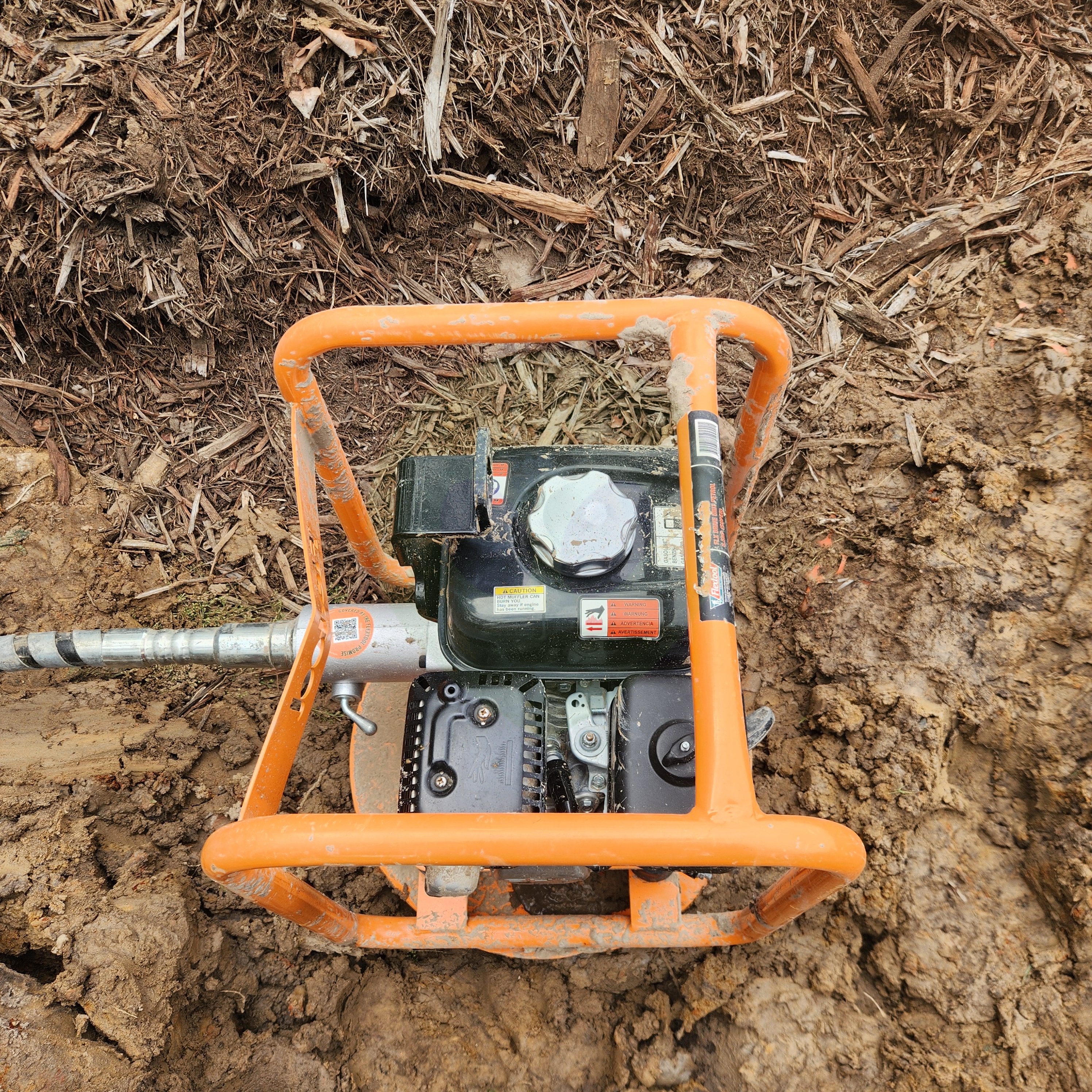
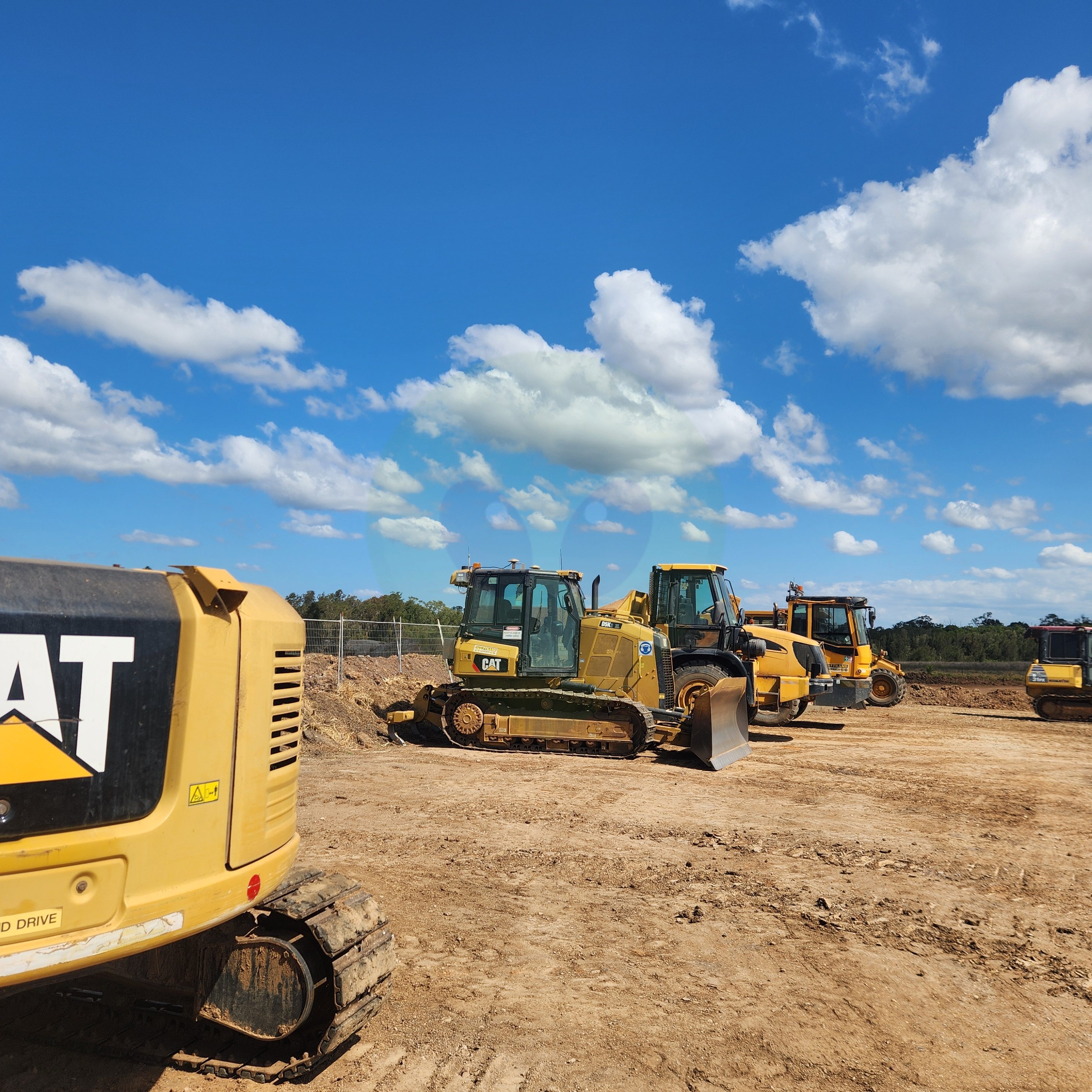
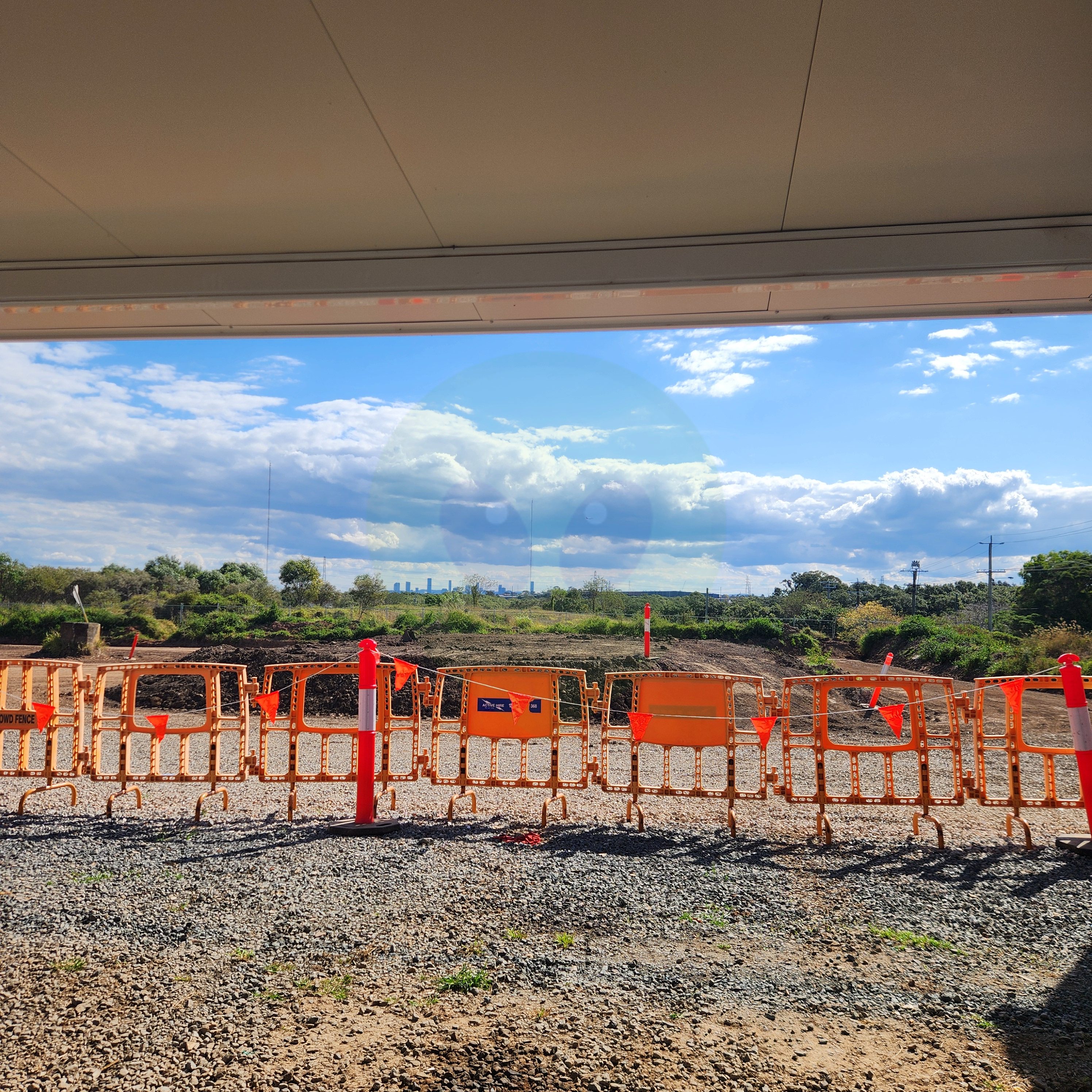
The company I work for is a civil company doing Bulk Earthworks🔒 and Civil Construction🔒. Before any houses go up, we get the roads, Kerb, Retaining Wall🔒, Roof Water🔒, Stormwater🔒, Pad, Turf and so on ready. If you end up at a company like this, you'll be handling materials like rebar🔒, pegs and star picket🔒s all day. It's also common to block off areas with water barriers, move Temporary Fence panels and culvert🔒s, and lay geofabric🔒 around them. If you don't know the names of the materials, you can't even follow a simple "grab that for me." After work, take another look at the materials you handled that day on the word pages, with photos and tips. The next day gets a lot easier.
Common tasks have their own step-by-step guides:
- Laying Pipes
- Tree Pit🔒 (street tree hole) work
- Laying Turf (rolled grass)
- Water Pump (motor pump) basics
Tools & equipment — knowing the right name means working faster
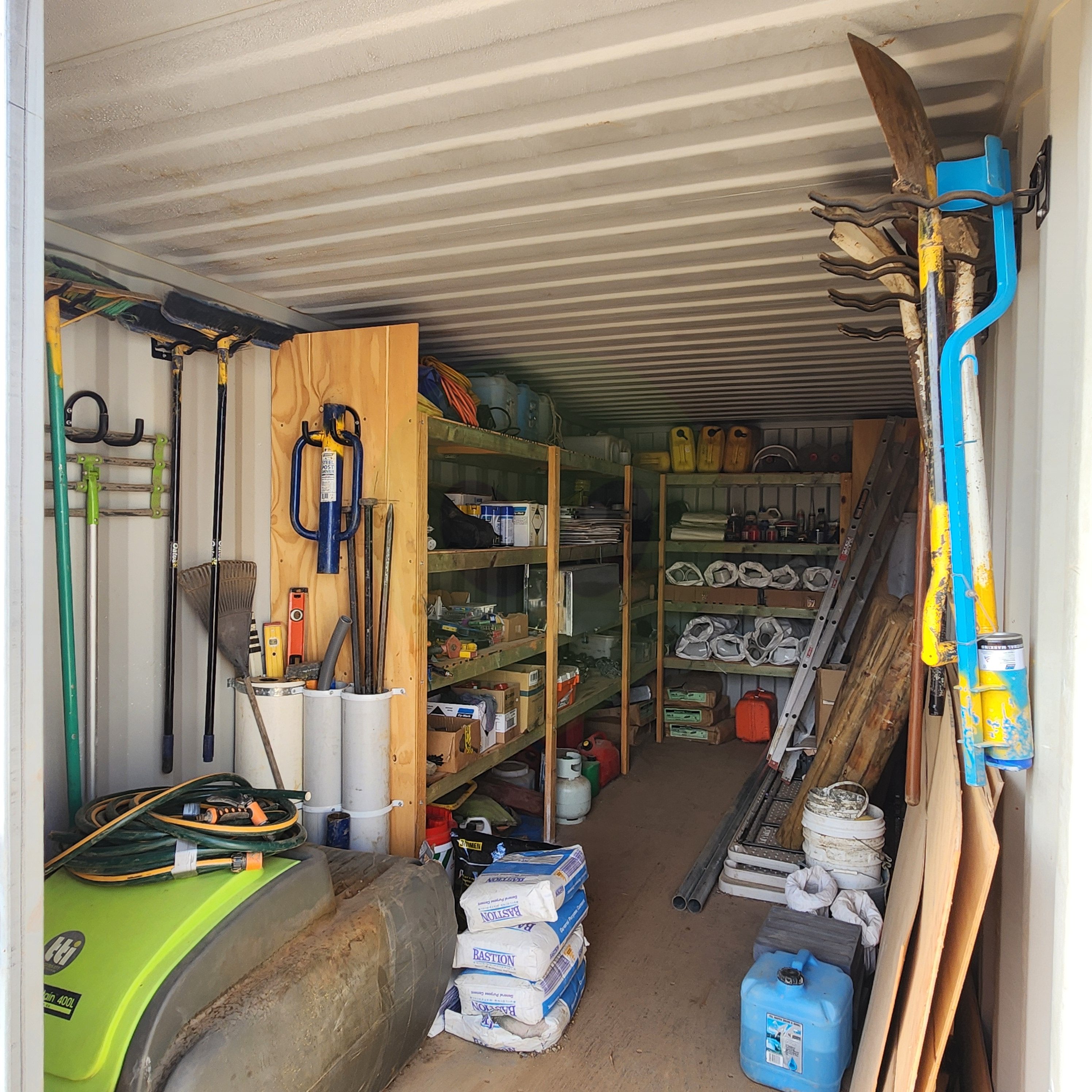
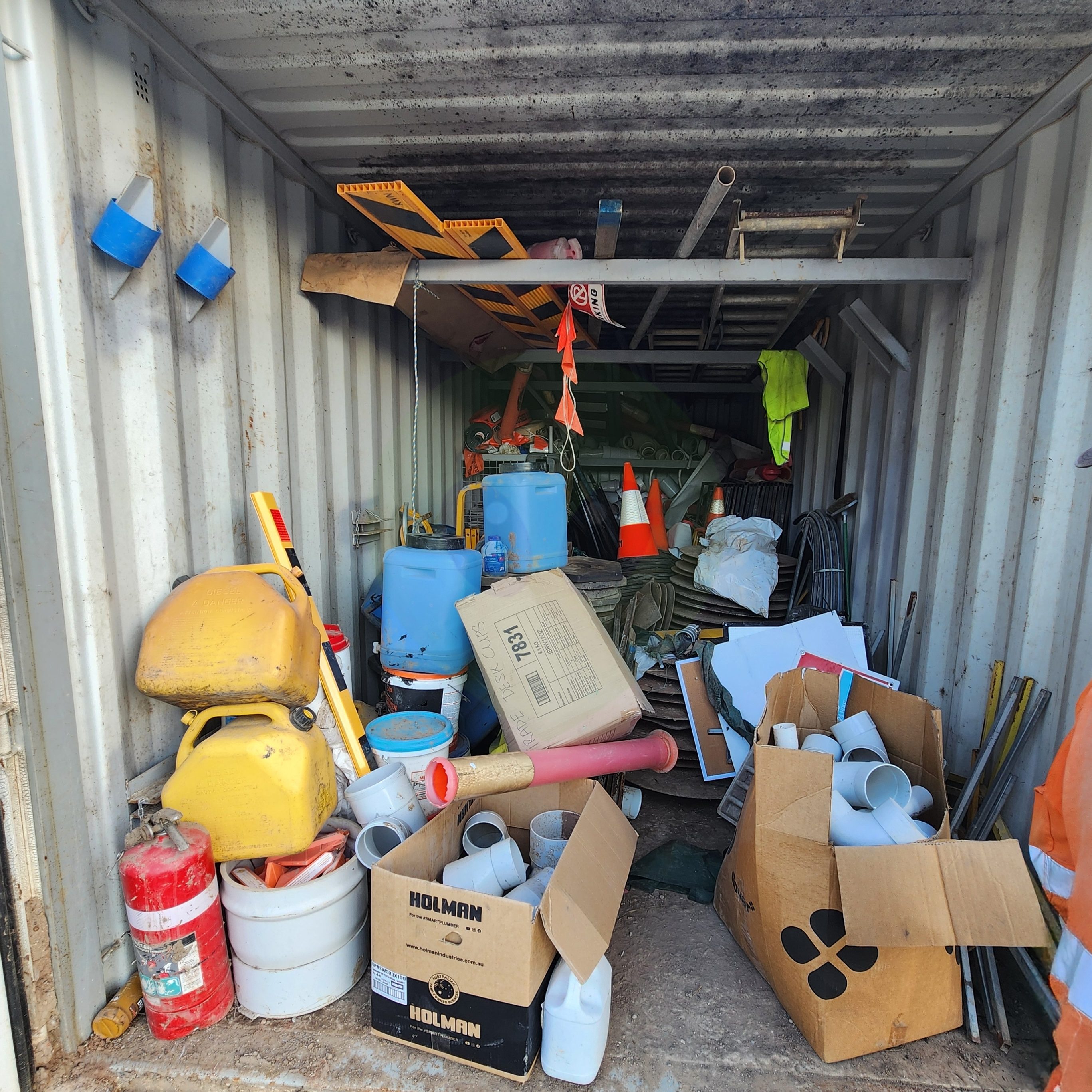
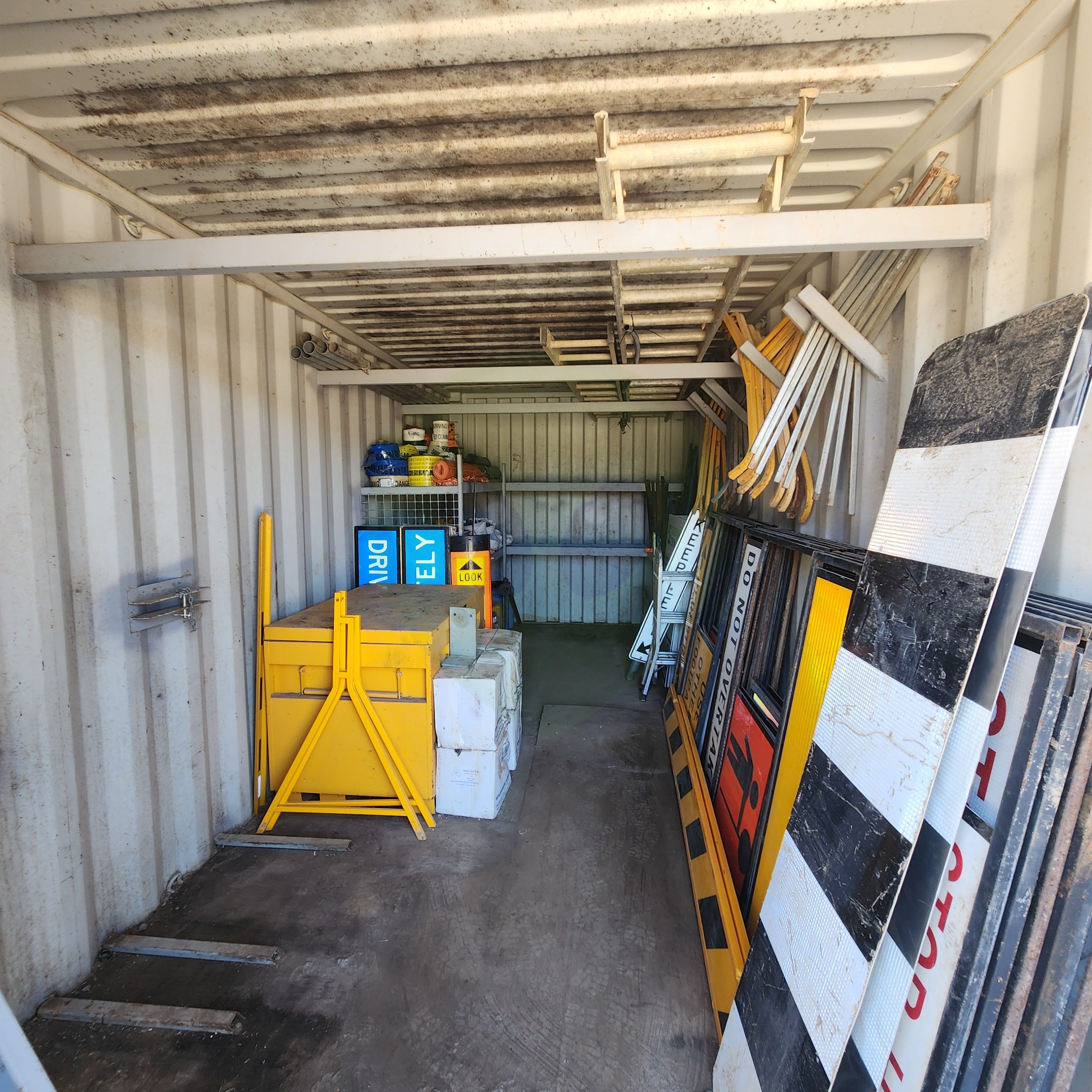
You'll be handing over tools a lot too. You clean up with a broom and a concrete rake🔒, and there's plenty of gear like the crowbar🔒, spirit level🔒 and lifting clutch🔒 where you need to know the exact name to pass it over straight away. If it keeps turning into "not that one, the other one," people stop trusting you fast. Get just one tool name right, though, and you come across as someone who knows what they're doing. Even shovels come in different types, so check the word list whenever you get a chance (e.g. Posthole Shovel🔒).
Local expressions & slang — understand them and everyone relaxes
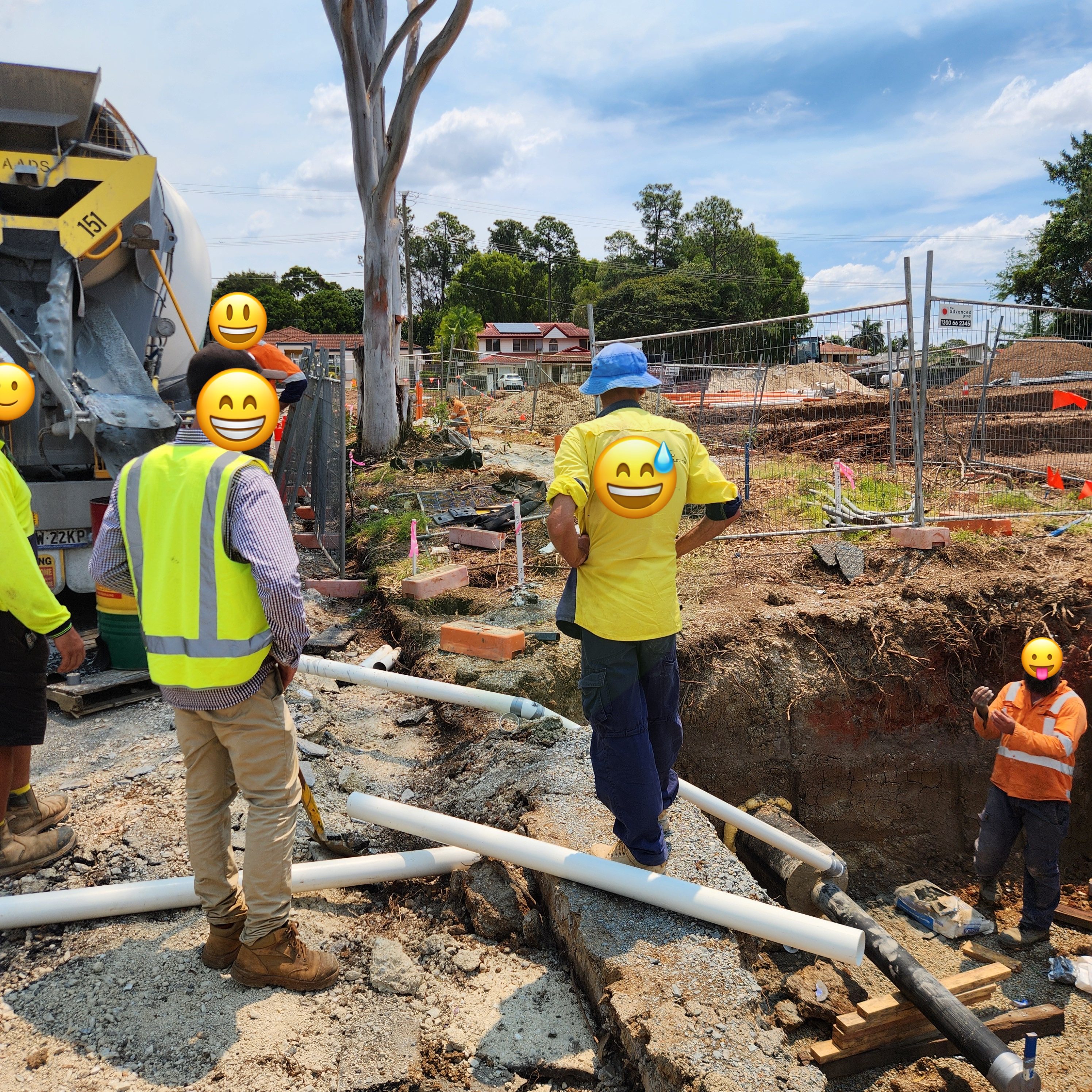
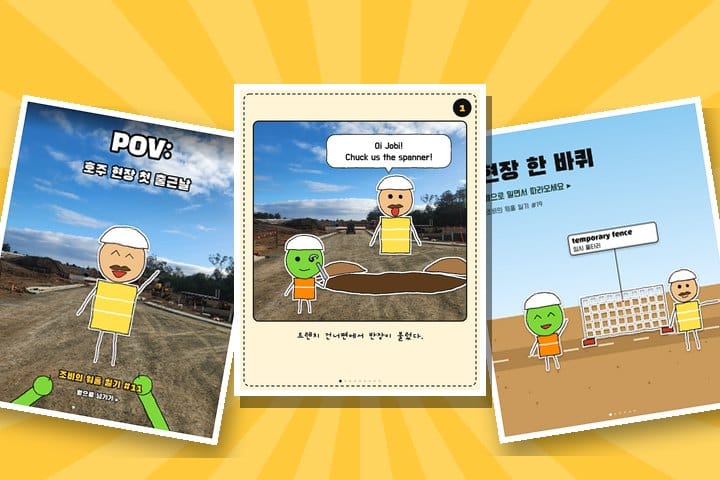
Australia has loads of expressions that aren't in the American English many of us learned at school. Words like arvo, reckon, heaps🔒, lift🔒, hop in and hold on come up all the time. The key to making them stick is learning them with example sentences. You'll hear them on the job and during breaks like smoko, and sometimes knowing just one word is enough to get what the whole sentence means.
Next step — learn the site vocabulary
현장에서 일해본 적이 없으니 현장에서 쓰이는 단어를 모르는건 당연하다. 조비 워홀 단어장을 사용하면 현장에서 깨지면서 배우는 것보다 더 쉽고 빠르게 배울 수 있다. 조비 워홀 단어장의 현장 팁·사진·슬랭이 포함된 전체 단어와 모든 가이드는 단 한 번의 결제로 평생 열린다. 조비를 통해서 현장에서 일하는 모두가 즐겁고 행복한 워홀 생활을 할 수 있기 위해서, 조비도 꾸준히 단어와 가이드를 업데이트할 것이다.

현장 첫날 단어 39개, 지금 무료로 들어 보세요
발음·예문·사진까지 — 가입 없이 바로 시작 →

Want to unlock all the guides?
🔒Every guide with photos from real Aussie construction sites, plus 🔒every word with pronunciation and example sentences, all in one go.
Pay once, keep it for life. No sign-up needed: it unlocks instantly with the email you paid with.
💪 Aussie construction work pays about A$35 an hour
That's just 9 minutes of work for lifetime access
Words by category
More guides
Numbers are just the listing order. Dates show when a guide was written or updated, so they may not match the numbers.
- From Visa to Your First Day on Site2026-06-21
- Getting your tickets (machinery/labourer) 🔒2026-07-18
- Water Pump basics 🔒2026-07-19
- Tips for working with a vibe plate and jumping jack 🔒2026-07-26
- Easy ways to use common tools 🔒2026-09-07
- Skid steer driving tips 🔒2026-07-05
- Roller driving tips 🔒2026-07-05
- Laying PipesIn progress
- Quick Cut tips 🔒2026-08-30
- Site Dumper driving tips 🔒2026-09-06
- Handy tips grab bag (flights etc.) 🔒2026-06-22